
Ghalwa Coffee Ajman – Discover Coffee Beans, Rich Flavours and the World of Quality Coffee in the UAE
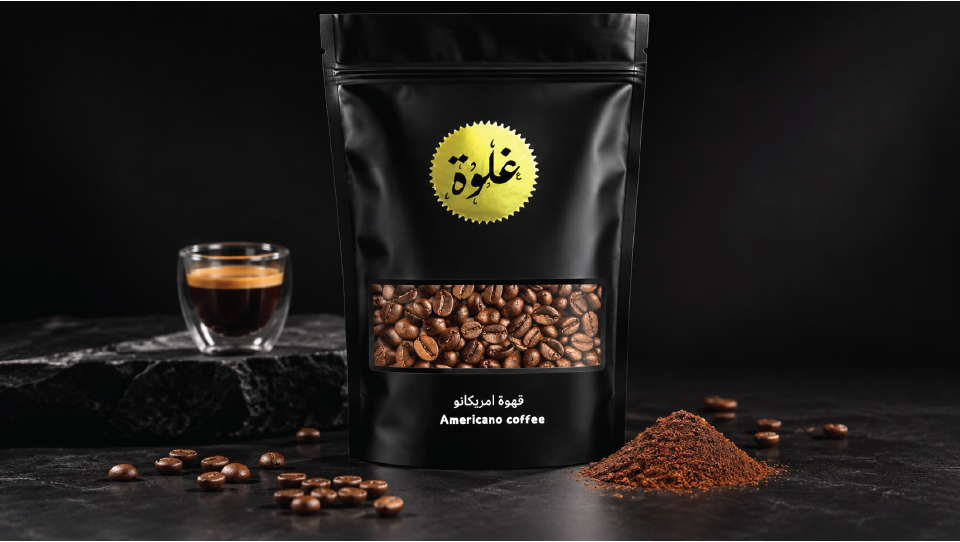
Ghalwa Coffee Ajman – Discover Coffee Beans, Rich Flavours and the World of Quality Coffee in the UAE
Coffee is much more than an everyday drink. It is part of a lifestyle, a social tradition, and an experience built around aroma, flavour, quality, and preparation. Across the United Arab Emirates, coffee culture continues to attract people who appreciate everything from traditional Arabic coffee to modern espresso and specialty coffee.
For coffee lovers exploring Ajman, Ghalwa Coffee (قهوة غلوة) is a local name worth discovering. Located in Al Hamidiya 1, Ajman, Ghalwa Coffee is part of the city’s diverse coffee scene.
One of the most interesting aspects of coffee is the journey behind every cup. From selecting green coffee beans to processing, roasting, grinding, and brewing, every stage can influence the final flavour.
This guide explores coffee beans, popular coffee varieties, roasting levels, brewing methods, and the factors that help coffee enthusiasts choose the right coffee.
Whether you are searching for Ghalwa Coffee Ajman, coffee beans in Ajman, or information about coffee roasting in the UAE, this article introduces the essential details every coffee lover should know.
Discover Ghalwa Coffee in Ajman
Ajman has developed a diverse café and coffee culture, offering different experiences for residents and visitors.
Some coffee drinkers prefer traditional Arabic coffee, while others enjoy Turkish coffee, espresso, cappuccino, latte, or specialty filter coffee.
Ghalwa Coffee is listed in Al Hamidiya 1, along Omar Al Mukhtar Street, Ajman, United Arab Emirates.
For customers interested in discovering local coffee options, knowing the location is a useful starting point. Before visiting, customers should confirm the latest opening hours, available beverages, and current product selection directly with the business.
Coffee preferences vary considerably. Some people prefer a bold and intense cup, while others enjoy balanced flavours, fruity notes, chocolate characteristics, or a smooth finish.
Understanding coffee beans and roasting methods makes it easier to identify the coffee style that best matches individual preferences.
Coffee Beans at Ghalwa: Why Bean Quality Matters
Coffee beans are the foundation of every coffee beverage. The quality of the raw beans, their origin, processing method, roasting profile, and storage conditions all contribute to the final result.
The journey starts with coffee cherries growing on coffee plants. Once harvested, the cherries undergo processing to separate the beans from the fruit.
The beans are then dried, prepared, transported, and eventually roasted.
Roasting transforms green coffee beans into the aromatic brown beans used to prepare coffee.
Several factors influence the characteristics of coffee beans:
Coffee species and variety.
Country and region of origin.
Growing altitude.
Soil and climate conditions.
Harvesting practices.
Processing method.
Roasting temperature and duration.
Storage conditions and freshness.
These factors explain why coffee from different origins can taste remarkably different, even when prepared using the same brewing method.
For customers exploring coffee beans in Ajman, asking about the origin, roast date, and intended brewing method can help them make a more informed choice.
The specific coffee bean varieties, origins, and roasting profiles currently available at Ghalwa Coffee should be confirmed directly with the business.
Arabica Coffee Beans: A Popular Choice for Coffee Enthusiasts
Arabica is one of the most widely recognised coffee species in the world.
Arabica coffee is appreciated for its diverse flavour characteristics and aromatic complexity. Depending on its origin and processing, it may offer fruity, floral, chocolate, caramel, or nutty notes.
Common characteristics of Arabica coffee include:
A wide variety of flavour profiles.
Aromatic complexity.
Different levels of natural acidity.
Suitability for several brewing methods.
Popularity in specialty coffee and espresso blends.
Arabica beans are commonly used for espresso, pour-over coffee, and other brewing styles.
For coffee drinkers who enjoy exploring flavour differences between coffee origins, Arabica offers many interesting options.
However, the final taste depends on much more than the coffee species. Processing, roasting, grinding, and brewing all play important roles.
Robusta Coffee Beans: Strong Flavour and Higher Caffeine
Robusta is another major coffee species used throughout the coffee industry.
Compared with Arabica, Robusta generally contains more caffeine and can produce a stronger, more intense flavour.
It is commonly used in espresso blends, particularly when additional body and crema are desired.
Its characteristics can include:
Generally higher caffeine content than Arabica.
Stronger flavour characteristics.
A fuller body in many preparations.
Use in commercial coffee blends.
Suitability for certain espresso profiles.
Neither Arabica nor Robusta is automatically better. The right choice depends on personal preference, brewing style, and the desired coffee experience.
Coffee Roasting: How Roast Levels Change Coffee Flavour
Roasting is one of the most important stages in coffee production.
Green coffee beans have very different characteristics from roasted coffee. During roasting, chemical and physical changes develop the colour, aroma, and flavour compounds associated with coffee.
Roasting profiles are generally divided into three main categories.
Light Roast Coffee
Light roasting is often used to highlight the original characteristics of coffee beans.
Depending on the origin and processing method, light-roasted coffee may display fruity, floral, citrus, or delicate aromatic notes.
Common characteristics include:
Lighter bean colour.
More noticeable origin characteristics.
Potentially brighter acidity.
Popularity in pour-over brewing.
An opportunity to explore different coffee origins.
Light roast coffee is often preferred by people who enjoy discovering the unique characteristics of different coffee-growing regions.
Medium Roast Coffee
Medium roasting offers a balance between the original characteristics of the coffee beans and the flavours developed during roasting.
Depending on the beans, the resulting cup may include chocolate, caramel, nuts, and balanced sweetness.
Common characteristics include:
Balanced flavour.
Moderate acidity.
A rounded coffee profile.
Versatility across brewing methods.
Suitability for different consumer preferences.
Medium roast coffee is a popular option for people who want a balanced cup without extremely light or dark roasting characteristics.
Dark Roast Coffee
Dark roasting produces darker beans and more developed roasting flavours.
Depending on the beans and roasting profile, the coffee may offer notes associated with dark chocolate, cocoa, toasted nuts, and caramelised flavours.
Common characteristics include:
Darker bean colour.
More pronounced roasting flavours.
Often lower perceived acidity.
A bold flavour profile.
Popularity among drinkers who enjoy intense coffee.
Choosing the right roast level is a personal decision. The best option is the one that matches your taste and preferred brewing method.
How to Choose the Right Coffee Beans
Choosing coffee beans becomes easier when you understand what you enjoy in a cup.
Before buying coffee, consider the following questions:
What type of coffee do you drink most often?
Arabic coffee, Turkish coffee, espresso, and filter coffee may require different beans, roast profiles, and grinding levels.
Do you prefer strong or balanced flavours?
People who enjoy bold coffee may prefer certain darker roast profiles, while others may enjoy the more delicate characteristics of lighter roasts.
Do you prefer whole beans or ground coffee?
Whole beans offer more flexibility and allow you to grind coffee immediately before brewing.
What is the coffee origin?
The origin can provide useful information about potential flavour characteristics, although the final result also depends on processing and roasting.
When was the coffee roasted?
The roast date is an important piece of information when assessing freshness.
For customers interested in purchasing coffee beans from Ghalwa Coffee, it is advisable to ask about current availability, coffee origins, roast dates, and grinding options.
Whole Coffee Beans vs Ground Coffee
One of the most common questions among coffee lovers is whether to buy whole coffee beans or pre-ground coffee.
Both options have advantages, depending on convenience and preparation preferences.
Whole Coffee Beans
Whole coffee beans are often preferred by people who want greater control over their coffee preparation.
Their advantages include:
Better preservation of aroma compared with ground coffee under similar storage conditions.
Greater control over grind size.
Flexibility across brewing methods.
Fresh grinding before preparation.
The ability to experiment with different coffee recipes.
A coffee grinder is necessary to prepare whole beans.
Ground Coffee
Ground coffee is a convenient option for people who want to prepare their drinks quickly.
However, selecting the correct grind size is essential.
Different brewing methods require different grinding levels. Turkish coffee requires an extremely fine grind, while French Press generally uses a coarse grind.
If you are purchasing coffee from a coffee shop or roastery, explaining your brewing equipment can help the staff recommend an appropriate grind size.
Coffee Brewing Methods Every Coffee Lover Should Know
Coffee beans can produce different results depending on the brewing method.
Water temperature, extraction time, grind size, coffee quantity, and brewing equipment all influence the final beverage.
Arabic Coffee
Arabic coffee is an important part of hospitality and cultural traditions across the UAE and the wider Gulf region.
It is commonly prepared using ground coffee, with ingredients such as cardamom and saffron added according to regional preferences and recipes.
Arabic coffee is traditionally served in small cups and is often accompanied by dates.
Its preparation varies between households and regions, including differences in roasting preferences, spice combinations, and brewing techniques.
Turkish Coffee
Turkish coffee is prepared using very finely ground coffee beans.
The coffee is combined with water and heated in a special pot known as a cezve or ibrik.
It is recognised for its distinctive preparation method, concentrated flavour, and thick texture.
The fine grinding process is essential for achieving the traditional result.
Espresso
Espresso is a concentrated coffee beverage prepared by forcing hot water under pressure through finely ground coffee.
It is one of the foundations of modern café culture.
Espresso quality depends on several important variables:
Coffee bean quality.
Roast profile.
Grind size.
Coffee dose.
Water temperature.
Extraction time.
Machine pressure.
Espresso is also the base for several popular beverages, including cappuccino, latte, flat white, and Americano.
V60 Pour-Over Coffee
V60 is a popular manual brewing method among specialty coffee enthusiasts.
It involves pouring hot water over ground coffee placed in a paper filter inside a cone-shaped brewing device.
The method allows users to control water flow, brewing time, and extraction.
It is particularly useful for exploring the flavour characteristics of different coffee beans.
Why Coffee Origin Matters
Coffee-growing regions can produce beans with different flavour characteristics.
Ethiopia, Brazil, Colombia, Kenya, and several other countries are well-known coffee-producing origins.
Some Ethiopian coffees may offer floral and fruity characteristics, depending on the region and processing method.
Certain Brazilian coffees may display chocolate and nutty notes, while Colombian coffees can offer a variety of balanced flavour profiles.
However, these are general tendencies rather than guaranteed characteristics.
Coffee varieties, growing conditions, harvesting, processing, and roasting all influence the final taste.
For this reason, coffee enthusiasts should consider the specific origin and processing details rather than relying only on the country name.
How Grind Size Affects Coffee Quality
Grinding is an essential part of coffee preparation.
The size of the coffee particles determines how quickly water extracts soluble compounds from the beans.
A grind that is too fine can result in excessive extraction and bitterness in some brewing methods.
A grind that is too coarse may lead to under-extraction and a weak or sour-tasting beverage.
Common grind recommendations include:
Extra fine: Turkish coffee.
Fine: Espresso.
Medium: Many pour-over methods.
Coarse: French Press and immersion brewing.
These are starting points rather than fixed rules. The ideal grind depends on the coffee, equipment, and recipe.
Coffee Freshness and Proper Storage
Coffee freshness is another important factor in achieving a satisfying cup.
After roasting, coffee beans release carbon dioxide and gradually undergo changes that affect their aroma and flavour.
Proper storage helps slow the loss of quality.
For better coffee storage:
Keep coffee in an airtight container.
Store it away from direct sunlight.
Avoid excessive heat and humidity.
Keep the container closed when not in use.
Buy quantities that match your consumption.
Grind beans shortly before brewing whenever possible.
Whole coffee beans generally retain their aromatic characteristics longer than pre-ground coffee under comparable storage conditions.
For customers who appreciate fresh coffee, checking the roast date is a useful habit.
Coffee Culture in Ajman, UAE
Ajman offers a variety of coffee experiences for residents and visitors.
Traditional Arabic coffee remains an important part of local hospitality, while modern coffee culture has introduced a wider range of beverages and brewing styles.
From espresso-based drinks to specialty filter coffee, consumers have many options to explore.
This growing interest in coffee has also encouraged more people to learn about coffee origins, roasting, brewing equipment, and the differences between Arabica and Robusta beans.
For anyone searching online for Ghalwa Coffee Ajman or coffee shops in Ajman, exploring the local coffee scene can be an enjoyable way to discover new flavours and experiences.
What Makes a Good Coffee Experience?
A good coffee experience involves more than selecting a popular coffee name.
It starts with the quality and characteristics of the beans and continues through every stage of preparation.
Important elements include:
Bean Selection: Choosing coffee beans that match your preferred flavour profile.
Roasting: Selecting a roast level that complements the coffee origin and brewing method.
Grinding: Using a suitable grind size for consistent extraction.
Water Quality: Using clean water with suitable mineral content.
Brewing Technique: Controlling the coffee-to-water ratio, temperature, and extraction time.
Storage: Protecting coffee beans from moisture, heat, and air exposure.
These details help explain why the same coffee beans can taste different when prepared using different equipment or recipes.
Visiting Ghalwa Coffee in Ajman
For those searching for Ghalwa Coffee Ajman, the business is listed in Al Hamidiya 1, along Omar Al Mukhtar Street, Ajman, United Arab Emirates.
The location provides a starting point for customers interested in discovering local coffee options in the area.
Before visiting, customers should confirm current opening hours and ask about available coffee beverages and products.
If you are specifically interested in coffee beans, consider asking about:
Available coffee varieties.
Arabica and Robusta options.
Coffee origins.
Roast levels.
Roast dates.
Whole beans and ground coffee.
Grinding options.
Suitable beans for Arabic coffee or espresso.
These questions will help you understand the available selection and choose products that match your preferences.
Frequently Asked Questions About Ghalwa Coffee and Coffee Beans in Ajman
Where is Ghalwa Coffee located in Ajman?
Ghalwa Coffee is listed in Al Hamidiya 1, Omar Al Mukhtar Street, Ajman, United Arab Emirates. Customers should verify the location and current business details before visiting.
What are the best coffee beans?
There is no single best coffee bean for everyone. Arabica is popular for its flavour diversity, while Robusta generally offers higher caffeine content and stronger flavour characteristics.
What is the difference between Arabica and Robusta?
Arabica generally offers a wider range of flavour profiles and aromatic characteristics. Robusta typically contains more caffeine and can provide a stronger, fuller-bodied taste.
How do I choose fresh coffee beans?
Check the roast date, packaging, storage conditions, and bean quality. Buy quantities suitable for your consumption and store them in an airtight container.
Which coffee roast is best?
Light roast, medium roast, and dark roast each offer different flavour characteristics. The best option depends on personal preference and brewing method.
Is whole bean coffee better than ground coffee?
Whole bean coffee generally retains its aroma longer when stored correctly. Ground coffee is more convenient, but its flavour can deteriorate more quickly after grinding.
What is the best grind size for espresso?
Espresso generally requires a fine grind. However, the ideal setting depends on the coffee beans, espresso machine, dose, and extraction time.
Can I buy coffee beans at Ghalwa Coffee?
Customers should contact Ghalwa Coffee directly to confirm whether whole coffee beans, ground coffee, and specific varieties are currently available.
Why does coffee from different countries taste different?
Coffee flavour is influenced by the species, variety, growing environment, altitude, processing, roasting, and brewing method. These factors create differences between coffee origins.
Final Thoughts: Discover Coffee and Coffee Beans at Ghalwa Coffee Ajman
Coffee is a world of flavour, aroma, craftsmanship, and culture.
From selecting quality coffee beans to understanding roast levels and brewing techniques, every detail contributes to the final cup.
Whether you enjoy Arabic coffee, Turkish coffee, espresso, or specialty pour-over coffee, learning about coffee beans can help you discover flavours that match your preferences.
For coffee enthusiasts exploring Ajman, Ghalwa Coffee is a local name to discover in Al Hamidiya 1.
If you are searching for Ghalwa Coffee Ajman, coffee beans in Ajman, or coffee experiences in the UAE, take the time to explore the world of coffee and learn what makes every bean unique.
Ghalwa Coffee – قهوة غلوة | Ajman, United Arab Emirates.