
Ghalwa and Arabic Coffee: The Essence of Authentic Arab Hospitality
Ghalwa and Arabic Coffee: The Essence of Authentic Arab Hospitality
Arabic coffee is much more than a traditional beverage. It is a cultural experience, a symbol of hospitality, and an important part of social gatherings across the Arab world. For generations, Arabic coffee has been served to family members, guests, friends, and visitors as a meaningful expression of welcome, generosity, and respect.
From the aroma of freshly roasted coffee beans to the distinctive flavor of cardamom and the traditional serving of coffee in small cups, every detail contributes to the unique identity of traditional Arabic coffee.
Today, coffee culture continues to evolve. Modern cafés, contemporary packaging, specialty coffee shops, and new preparation methods have introduced consumers to many different coffee experiences. Yet, authentic Arabic coffee continues to maintain its special place, particularly across the Gulf region and the United Arab Emirates.
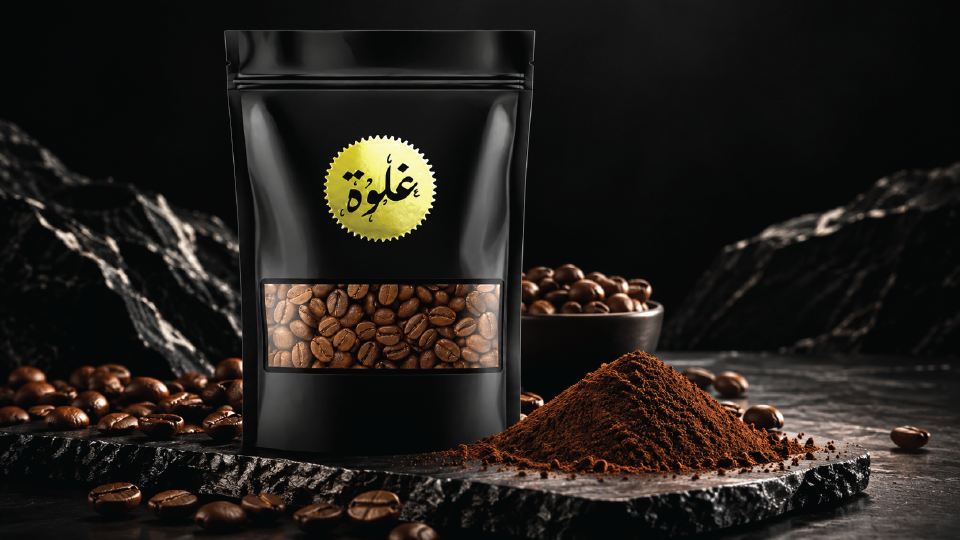
Ghalwa represents an opportunity to experience Arabic coffee through a combination of tradition, quality, hospitality, and contemporary presentation.
What Is Arabic Coffee?
Arabic coffee, also known as Arabian coffee in some contexts, is a traditional coffee style widely associated with the Arabian Peninsula and the broader Arab world.
It is known for its distinctive preparation method, lighter appearance compared with many dark-roasted coffee styles, and aromatic flavor profile. Cardamom is commonly associated with Arabic coffee, although recipes can vary considerably depending on the country, region, family tradition, and personal preference.
The taste of Arabic coffee depends on several factors, including the quality of the coffee beans, roasting level, grinding, water ratio, preparation method, and additional spices.
This is why preparing authentic Arabic coffee is not simply about combining coffee and water. Small differences in preparation can influence the aroma, strength, texture, and overall experience.
The Cultural Importance of Arabic Coffee
Arabic coffee has a unique position within Arab hospitality.
In many traditional gatherings, serving coffee is one of the first gestures offered to a guest. The dallah, or traditional Arabic coffee pot, and the small finjan cups have become recognizable symbols of hospitality across the Gulf.
Coffee may be served during family visits, business meetings, celebrations, social gatherings, weddings, cultural events, and formal occasions.
The act of serving coffee also creates a moment of interaction. Guests can enjoy small servings while talking, socializing, and spending time together.
For this reason, Arabic coffee hospitality is about more than the beverage itself. It represents welcome, respect, generosity, and social connection.
Ghalwa and the Arabic Coffee Experience
A memorable coffee experience does not begin when the coffee reaches the cup. It begins much earlier.
It starts with selecting the beans, choosing the appropriate roast, grinding the coffee, preparing it carefully, and creating the right balance of flavors.
The aroma that fills the room during preparation also becomes part of the experience.
This is where a brand such as Ghalwa can connect traditional Arabic coffee with modern expectations. The goal is not simply to offer coffee, but to create an experience around one of the most recognizable symbols of Arab hospitality.
Whether Arabic coffee is enjoyed at home, served to guests, or presented at a special event, the experience is shaped by the quality of the coffee and the details surrounding it.
Arabic Coffee in the UAE
Arabic coffee in the UAE is strongly connected with hospitality, heritage, and social traditions.
Coffee is commonly associated with majlis culture, family gatherings, celebrations, formal hospitality, and cultural events.
In the United Arab Emirates, hospitality plays an important role in social life. Offering coffee to a guest is therefore not simply a routine action; it can represent a gesture of welcome and appreciation.
Arabic coffee can be served alongside dates and traditional sweets, creating a complete hospitality experience.
At the same time, modern UAE events have found new ways to present Arabic coffee. Contemporary hospitality areas can combine traditional coffee service with modern interior design, branding, packaging, and event concepts.
This combination of tradition and modern presentation helps Arabic coffee remain relevant in contemporary life.
What Makes Arabic Coffee Different?
Arabic coffee differs from many popular international coffee styles in several ways.
The preparation method is different from espresso-based beverages, filtered coffee, and many Western-style brewing methods.
The roast level can also be different, often producing a lighter-colored beverage compared with dark-roasted coffee.
Another important difference is the use of spices, particularly cardamom in many traditional recipes.
However, the most significant difference is cultural.
Arabic coffee is closely connected with hospitality. It is often prepared specifically to be shared with others, rather than simply consumed as an individual beverage.
This cultural connection gives traditional Arabic coffee a meaning that goes beyond taste.
The Main Ingredients of Arabic Coffee
Traditional recipes can vary, but several ingredients are commonly associated with Arabic coffee.
Coffee Beans
Coffee beans are the foundation of the drink. Their origin, quality, processing method, roasting level, and freshness can all influence the final flavor.
Different beans can create different flavor profiles, which means that selecting the right coffee is an important part of creating a consistent Arabic coffee experience.
Cardamom
Cardamom is one of the ingredients most strongly associated with Arabic coffee.
It adds a distinctive aroma and flavor that can immediately identify the beverage.
The amount of cardamom used can vary depending on personal preference and regional traditions.
Water
Water is another essential component.
The ratio between water and coffee influences the strength and balance of the final drink. Using clean, suitable-quality water is therefore important when preparing Arabic coffee.
Additional Spices
Some recipes include additional spices such as saffron, cloves, or other aromatic ingredients.
There is no single universal recipe for Arabic coffee. Different families, regions, and cultures have developed their own approaches.
This variety is part of what makes Arabic coffee culture so interesting.
How to Prepare Arabic Coffee
The Arabic coffee preparation process usually involves several stages.
First, the coffee beans are selected and roasted according to the desired style. The roasted beans are then ground to the appropriate level.
Water is heated, and the coffee is added according to the chosen recipe. The coffee is then allowed to develop its flavor during the preparation process.
Cardamom may be added during preparation or incorporated according to the specific recipe being used.
Once prepared, the coffee can be transferred to a traditional dallah for serving.
Arabic coffee is generally served in small finjan cups. The small serving size allows guests to enjoy the coffee gradually while socializing.
The preparation method can vary significantly, so the final result depends on the recipe, ingredients, equipment, and personal preferences.
Why Coffee Bean Quality Matters
The quality of the coffee beans has a direct impact on the final experience.
Even an excellent preparation method cannot completely compensate for poor-quality coffee beans.
For this reason, premium Arabic coffee begins with careful selection of the raw coffee.
Several factors can influence coffee quality, including bean origin, processing, roast level, freshness, storage, and grinding.
Freshness is particularly important because coffee gradually loses some of its aromatic characteristics after roasting and grinding.
Proper storage can therefore help preserve the aroma and flavor of the coffee for longer.
The Role of Roasting
Roasting is one of the most important stages in coffee production.
Different roasting levels create different flavor characteristics.
Lighter roasting can preserve more of the natural characteristics of the coffee beans, while higher roasting levels can create deeper and stronger roasted notes.
The ideal roast for Arabic coffee depends on the specific beans, recipe, regional tradition, and desired flavor profile.
Rather than looking for a single universal roasting level, the goal is to create a balanced cup that combines aroma, flavor, and the desired level of intensity.
Cardamom and Arabic Coffee
For many people, cardamom is one of the defining characteristics of Arabic coffee.
Its aromatic character adds a distinctive layer to the coffee and has become closely connected with traditional coffee culture across the Gulf.
However, balance is important.
Too much cardamom can dominate the natural character of the coffee, while too little may not provide the desired aroma.
The right balance depends on the coffee beans, preparation method, and personal taste.
This is one reason why attention to detail is important when creating a high-quality Arabic coffee experience.
Arabic Coffee and Hospitality
Arabic coffee and hospitality are closely connected.
Offering coffee to a guest can be a simple but meaningful gesture of welcome.
In traditional gatherings, coffee is often served as part of the hospitality ritual, with the host offering small servings to guests.
The dallah and finjan are therefore not simply coffee equipment. They are also recognizable symbols of Arab hospitality.
This makes the presentation of coffee particularly important during formal events, weddings, business gatherings, cultural occasions, and special celebrations.
The Traditional Arabic Coffee Dallah
The Arabic coffee dallah is one of the most recognizable symbols associated with traditional coffee culture.
It is traditionally used to serve coffee and has become an important visual representation of Gulf heritage.
Dallah designs range from highly traditional forms to modern interpretations.
Today, contemporary hospitality concepts can use the dallah as part of interior design, event decoration, cultural displays, branded hospitality areas, and traditional coffee service.
Its continued presence demonstrates how traditional objects can remain relevant while adapting to modern environments.
The Finjan: The Traditional Arabic Coffee Cup
The small cup used to serve Arabic coffee is known as a finjan.
Its size is an important part of the traditional serving experience.
Unlike large coffee cups used for many modern coffee beverages, the finjan is designed for small servings.
This allows coffee to be offered repeatedly to guests during conversations and gatherings.
The small cup also contributes to the rhythm of traditional Arabic hospitality, where the host can continue offering coffee throughout the gathering.
Arabic Coffee at Events
Arabic coffee is frequently used in different types of events, particularly throughout the Gulf region.
It can be served at:
Weddings
Family celebrations
Corporate events
Conferences
Exhibitions
Cultural events
National occasions
Business meetings
Private gatherings
Hospitality areas
Traditional events
For event organizers, Arabic coffee can provide more than a beverage. It can become part of the overall guest experience.
A well-designed coffee station can combine traditional serving methods with contemporary branding and event aesthetics.
Arabic Coffee for Corporate Events
Corporate events in the UAE often place strong emphasis on hospitality.
Offering Arabic coffee at corporate events can provide visitors with an experience connected to local culture.
It can be served in reception areas, VIP lounges, exhibition booths, conferences, meetings, and branded hospitality spaces.
For companies, the coffee experience can also become part of their brand presentation.
Packaging, serving equipment, uniforms, coffee stations, cups, and signage can all be designed to reflect the identity of the event or company.
This creates a more consistent and memorable experience for guests.
Arabic Coffee and Emirati Heritage
Arabic coffee is strongly connected with the heritage of the UAE and the wider Gulf region.
The traditions surrounding coffee have been passed from one generation to another, with the majlis, dallah, finjan, dates, and hospitality forming an important part of the cultural experience.
Modern lifestyles have changed many aspects of daily life, but Arabic coffee continues to have a place in contemporary UAE society.
It can be found in homes, offices, hotels, cultural events, weddings, exhibitions, and business gatherings.
This ability to adapt while retaining its cultural identity is one of the reasons Arabic coffee remains relevant today.
Arabic Coffee as a Gift
Arabic coffee gifts can be a meaningful choice for coffee lovers and people who appreciate Arab culture and hospitality.
Coffee can be presented in elegant packaging or combined with other traditional hospitality products to create a complete gift set.
Packaging plays an important role in the gifting experience.
A carefully designed package can transform a traditional product into a modern and premium gift suitable for personal occasions, corporate gifting, celebrations, and special events.
For brands such as Ghalwa, this creates an opportunity to present Arabic coffee in a way that respects its heritage while appealing to contemporary consumers.
How to Choose Arabic Coffee
Choosing the right Arabic coffee depends on several factors.
The first is the quality and origin of the beans.
The second is the roasting level, which influences the flavor and aroma.
The third is the presence and quantity of additional ingredients such as cardamom or saffron.
The fourth is freshness and storage.
Finally, personal taste should always be considered.
Some people prefer a stronger coffee flavor, while others enjoy a lighter and more aromatic cup with noticeable cardamom.
There is no single taste that works for everyone, which is why Arabic coffee culture offers such a wide range of experiences.
How to Store Arabic Coffee
Proper storage is essential for maintaining coffee quality.
Coffee should ideally be stored in an airtight container away from moisture, direct sunlight, heat, and strong odors.
Ground coffee can lose some of its aroma when exposed to air for extended periods.
Keeping coffee properly sealed can therefore help preserve its flavor and aroma.
This becomes especially important when purchasing coffee in larger quantities or keeping it for an extended period.
Arabic Coffee Between Tradition and Modernity
One of the most interesting aspects of Arabic coffee is its ability to connect tradition with modern life.
Traditional coffee can be served in a majlis using a classic dallah and finjan.
At the same time, Arabic coffee can be incorporated into modern cafés, luxury hospitality spaces, corporate events, exhibitions, hotels, and contemporary homes.
Modern packaging can also reinterpret traditional elements through typography, materials, photography, and visual identity.
This demonstrates that preserving tradition does not necessarily mean keeping it unchanged.
Tradition can evolve while maintaining the essential elements that give it meaning.
Ghalwa: A Modern Expression of Arabic Coffee
Ghalwa can be positioned around the idea of creating an Arabic coffee experience that respects traditional values while fitting naturally into modern lifestyles.
The experience begins with the coffee itself but does not end there.
Bean quality, roasting, grinding, preparation, aroma, presentation, packaging, and hospitality all contribute to the final experience.
For coffee lovers, these details can transform a simple cup into a meaningful daily ritual.
For guests, the same details can turn coffee service into an expression of hospitality.
Arabic Coffee as Part of Everyday Life
Arabic coffee does not have to be reserved for major celebrations.
It can be part of a quiet morning, a family gathering, a meeting with friends, a business conversation, or a simple moment of relaxation.
This is one of the reasons the tradition has remained strong.
Coffee creates a reason to pause and connect.
It gives people a chance to talk, welcome others, and share time together.
Even as coffee trends continue to change, this social dimension remains one of the defining characteristics of Arabic coffee.
The Future of Arabic Coffee
The future of Arabic coffee lies in its ability to preserve its identity while responding to changing consumer expectations.
Modern consumers are increasingly interested in quality, origin, freshness, presentation, and authentic experiences.
This creates opportunities for Arabic coffee brands to communicate the heritage behind their products while also offering modern packaging and convenient formats.
The result can be a coffee experience that appeals to both traditional consumers and younger generations.
For brands such as Ghalwa, the challenge is not simply to preserve tradition, but to present it in ways that make sense for today’s customers.
Why Arabic Coffee Will Always Matter
Coffee trends may change.
Preparation methods may evolve.
Packaging may become more modern.
Coffee shops may introduce new flavors and technologies.
But the meaning of Arabic coffee can remain remarkably consistent.
It represents hospitality.
It represents connection.
It represents heritage.
And most importantly, it represents the simple act of welcoming someone and sharing something with them.
That is why authentic Arabic coffee continues to hold a special place in homes, gatherings, businesses, and celebrations throughout the UAE and the Arab world.
Conclusion
Arabic coffee is far more than a traditional beverage. It is an expression of hospitality, culture, heritage, and social connection.
From carefully selected coffee beans and aromatic cardamom to the traditional dallah and finjan, every part of the experience contributes to its identity.
In the UAE, Arabic coffee remains an important part of hospitality and cultural life. It continues to appear in homes, majlis gatherings, corporate events, weddings, exhibitions, celebrations, and formal occasions.
Through Ghalwa, Arabic coffee can be presented as an experience that brings together traditional values and contemporary presentation.
Because at the end of the day, Arabic coffee is not simply about drinking coffee.
It is about the moment around the cup.
It is about welcoming a guest.
It is about conversation.
It is about connection.
And it is about keeping a beautiful tradition alive, one cup at a time.