
Ghalwa Coffee Ajman – Discover Authentic Turkish Coffee and Traditional Coffee Culture in the UAE
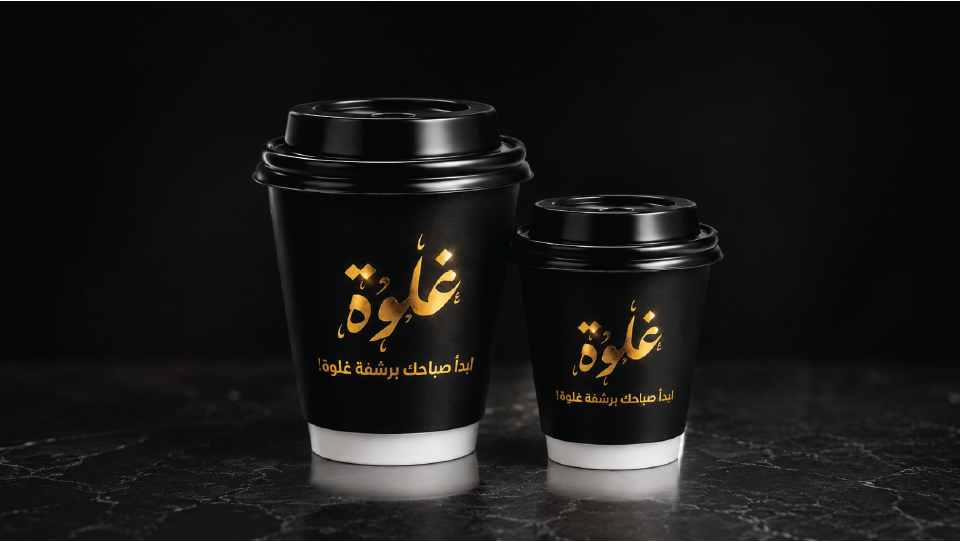
Turkish Coffee Ajman is a popular search for coffee lovers looking to explore traditional coffee flavors and authentic brewing methods. At Ghalwa Coffee, located in Ajman, coffee enthusiasts can discover the rich culture, history, and unique characteristics of traditional Turkish coffee. Explore its distinctive aroma, signature foam, fine coffee grounds, and traditional preparation techniques in this complete guide.
Ghalwa Coffee Ajman – Discover Authentic Turkish Coffee and Traditional Coffee Culture in the UAE
Introduction: Turkish Coffee in Ajman – Discover the Tradition of Turkish Coffee
Coffee is more than just a daily beverage. In many cultures, it represents hospitality, social connection, tradition, and memorable moments shared with family and friends.
Among the world’s traditional coffee preparations, Turkish coffee holds a special place. Known for its fine coffee grounds, distinctive brewing method, rich aroma, and characteristic foam, Turkish coffee offers a unique experience that differs from modern espresso-based beverages.
In the United Arab Emirates, coffee culture continues to evolve as people explore different coffee traditions and contemporary café experiences. In Ajman, coffee enthusiasts often look for places where they can discover new flavors, traditional beverages, and different ways to enjoy their favorite drink.
Ghalwa Coffee Ajman (قهوة غلوة في عجمان) is a local coffee brand located in Al Hamidiya 1, on Omar Al Mukhtar Street, Ajman, UAE.
For customers interested in exploring Turkish coffee culture, understanding its preparation, history, ingredients, and serving traditions can make the experience even more enjoyable.
This article explores the world of Turkish Coffee, its traditional brewing techniques, different styles, the role of cardamom, and the cultural importance of this iconic beverage.
Whether you are searching for Turkish Coffee Ajman, Turkish Coffee in UAE, or information about traditional coffee, this guide introduces the essential elements of one of the world’s most recognizable coffee traditions.
What Is Turkish Coffee?
Turkish coffee is a traditional coffee preparation known for its exceptionally fine coffee grounds and distinctive brewing method.
Unlike filtered coffee, where water passes through coffee grounds before serving, Turkish coffee is prepared by heating finely ground coffee together with water in a small traditional pot called a Cezve or Ibrik.
The coffee grounds remain in the beverage rather than being filtered out.
This preparation method creates a distinctive texture, concentrated flavor, and characteristic foam that makes Turkish coffee different from other coffee styles.
Traditional Turkish coffee is generally served in small cups and can be prepared with different sweetness levels according to personal preference.
Some people enjoy it without sugar, while others prefer lightly sweetened or sweeter versions.
Cardamom may also be added in some regional and personal variations to create an aromatic flavor.
The main characteristics of Turkish coffee include:
Extremely fine coffee grounds.
Traditional Cezve brewing equipment.
Gradual heating.
A distinctive layer of foam.
Small serving cups.
Optional sugar and cardamom.
Coffee grounds remaining at the bottom of the cup.
These characteristics make Turkish Coffee a unique experience for people who appreciate traditional coffee preparation.
Ghalwa Coffee Ajman and the Local Coffee Experience
Coffee shops have become important social destinations across the UAE.
Customers visit cafés for many reasons, including enjoying their favorite beverages, meeting friends, taking a break, or exploring different coffee flavors.
In Ajman, the local café scene offers opportunities to discover different coffee styles, from espresso and cappuccino to traditional beverages.
Ghalwa Coffee is located in Al Hamidiya 1, Ajman, on Omar Al Mukhtar Street.
Customers searching for Ghalwa Coffee Ajman may be interested in learning about the location, available beverages, coffee experience, and contact information.
Traditional Turkish coffee is an interesting subject within the wider coffee industry because it combines a distinctive brewing technique with a long cultural history.
For customers interested in Turkish coffee, asking about the current menu and preparation methods is a useful way to understand the available options.
The History of Turkish Coffee
Turkish coffee is closely associated with the history of coffee culture in the Ottoman Empire and the wider Middle East.
Coffee became an important part of social life as coffee houses developed into gathering places where people could meet, exchange ideas, discuss current events, and spend time together.
Over time, the traditional preparation method became an important cultural practice.
Turkish coffee developed a distinctive identity through its finely ground beans, traditional brewing equipment, serving style, and social customs.
The tradition spread across different regions, including Turkey, the Middle East, and parts of southeastern Europe.
Today, Turkish coffee is recognized internationally as an important part of traditional coffee culture.
Its cultural importance goes beyond the beverage itself. Preparing and serving Turkish coffee represents hospitality, respect, and social connection.
In 2013, Turkish coffee culture and tradition were included on UNESCO’s Representative List of the Intangible Cultural Heritage of Humanity.
This recognition reflects the cultural and social importance of Turkish coffee and its role in traditional hospitality.
What Makes Turkish Coffee Unique?
Several elements contribute to the distinctive character of Turkish coffee.
The quality of the beans, roasting level, grind size, water quality, and brewing temperature all influence the final result.
1. Coffee Bean Selection
The flavor of Turkish coffee begins with the selection of suitable coffee beans.
Different coffee origins produce different flavor characteristics, including chocolate notes, nutty flavors, fruity aromas, and varying levels of acidity.
Some beans produce a bold and intense flavor, while others create a smoother and more balanced cup.
There is no single bean origin that defines all Turkish coffee. The final flavor depends on the coffee blend and roasting preferences.
2. Extra-Fine Coffee Grinding
One of the most important characteristics of Turkish coffee is its extremely fine grind.
The coffee should be ground into a powder-like consistency because it remains in the brewing vessel and is not filtered after preparation.
The grind size influences extraction, texture, and the final drinking experience.
A suitable grind helps the coffee blend properly with water during the heating process.
3. Coffee Roasting
Roasting has a major impact on the flavor of Turkish coffee.
Lighter roasts may preserve more delicate aromatic characteristics, while darker roasts often produce stronger roasted and bitter notes.
The ideal roast depends on the coffee beans and the flavor profile desired by the coffee maker.
4. Traditional Brewing
Turkish coffee is traditionally prepared by slowly heating finely ground coffee with water in a Cezve.
The gradual heating process allows the coffee to develop its characteristic foam.
Careful temperature control is important because aggressive boiling can affect the foam and final flavor.
5. The Famous Turkish Coffee Foam
Foam is one of the most recognizable visual characteristics of traditional Turkish coffee.
It develops as the coffee heats and rises inside the Cezve.
Many traditional preparation methods focus on preserving this foam before serving.
The foam contributes to the traditional presentation and is often considered an important part of the Turkish coffee experience.
Turkish Coffee with Cardamom – A Rich Aromatic Flavor
Cardamom is one of the familiar spices associated with coffee traditions across the Middle East.
It is also used in some Turkish coffee variations to create an additional aromatic dimension.
Cardamom has a distinctive fragrance and flavor that can complement the natural bitterness of coffee.
The amount used depends on personal preference and the desired flavor intensity.
Some people prefer a subtle cardamom aroma, while others enjoy a more noticeable spice character.
Turkish Coffee with Cardamom is particularly interesting for customers who appreciate aromatic coffee beverages and traditional Middle Eastern flavors.
It is important to remember that Turkish coffee and Arabic coffee are different preparations, even though both may include cardamom.
Each has its own cultural background, brewing style, and serving traditions.
Popular Types of Turkish Coffee
Turkish coffee can be prepared in several styles depending on sweetness and additional ingredients.
The following are common variations found in Turkish coffee culture.
1. Sade Turkish Coffee – Unsweetened
Sade Turkish Coffee is prepared without added sugar.
It is suitable for people who prefer the natural coffee flavor without additional sweetness.
The final taste depends on the coffee blend and roasting level.
This style is often chosen by people who want to experience the original flavor of the coffee.
2. Az Şekerli – Lightly Sweetened Turkish Coffee
Az Şekerli is a lightly sweetened Turkish coffee style.
A small amount of sugar is added during preparation, creating a subtle balance between coffee bitterness and sweetness.
It is suitable for customers who enjoy a gentle sweet flavor without making the beverage overly sugary.
3. Orta Şekerli – Medium-Sweet Turkish Coffee
Orta Şekerli is a medium-sweet variation.
It offers a balanced combination of coffee flavor and sweetness.
This style is popular among people who prefer a traditional Turkish coffee experience with a noticeable but moderate amount of sugar.
4. Şekerli – Sweet Turkish Coffee
Şekerli Turkish Coffee is prepared with a higher amount of sugar compared with the lightly sweetened version.
It is a suitable option for people who enjoy sweeter coffee beverages.
The final sweetness depends on the quantity of sugar added during brewing.
5. Turkish Coffee with Cardamom
This variation combines traditional Turkish coffee with the aromatic flavor of cardamom.
It offers a distinctive fragrance and a slightly spiced character.
It may appeal to people who enjoy traditional coffee flavors and aromatic additions.
6. Turkish Coffee with Milk
Turkish Coffee with Milk is a variation that introduces milk into the traditional preparation.
Milk changes the beverage’s texture and flavor, creating a softer and creamier result.
Preparation methods may vary, so customers should check the ingredients and preparation style before ordering.
These are examples of recognized Turkish coffee styles and should not be considered confirmation of the current menu at Ghalwa Coffee.
How to Prepare Traditional Turkish Coffee
Traditional Turkish coffee requires only a few basic ingredients, but the preparation process needs attention and patience.
Basic Ingredients
Finely ground Turkish coffee.
Cold water.
Sugar, according to preference.
Cardamom, optional.
Step 1: Prepare the Cezve
The traditional Cezve is a small coffee pot designed for preparing Turkish coffee.
Make sure the pot is clean before starting.
Step 2: Add the Water
Add the required amount of water according to the number of cups being prepared.
Step 3: Add the Coffee
Add finely ground Turkish coffee to the water.
The coffee should have a very fine powder-like texture.
Step 4: Add Sugar
If you prefer sweet coffee, add the sugar before heating.
This allows the sweetness to distribute throughout the mixture.
Step 5: Mix the Ingredients
Stir the coffee, water, and sugar until they are properly combined.
Step 6: Heat Slowly
Place the Cezve over low or medium-low heat.
Gradual heating helps develop the flavor and foam.
Step 7: Watch the Foam
As the temperature increases, foam begins to form and rise.
Monitor the coffee carefully to prevent vigorous boiling.
Step 8: Serve Carefully
Pour the coffee into small traditional cups, distributing the foam evenly.
The preparation method may vary slightly between households and coffee makers, but temperature control and proper grinding remain important elements.
Why Is Turkish Coffee Served in Small Cups?
Turkish coffee is traditionally served in small cups because of its concentrated flavor and distinctive preparation method.
Unlike larger milk-based coffee beverages, Turkish coffee is enjoyed in smaller portions.
The small cup also contributes to the traditional presentation and encourages people to enjoy the beverage slowly.
It is often accompanied by a glass of water, which helps refresh the palate before or after drinking the coffee.
In many settings, Turkish coffee is also served with sweets such as Turkish delight, chocolate, or baklava.
These serving customs are an important part of the traditional Turkish coffee experience.
Turkish Coffee and Hospitality
Turkish coffee has a strong connection with hospitality and social traditions.
Serving coffee to guests is considered a welcoming gesture in many Turkish households.
The preparation process itself can be part of the experience, as coffee is prepared carefully and served with attention to detail.
Turkish coffee is commonly associated with family visits, friendly gatherings, and special occasions.
It also plays a role in traditional social customs, including the well-known practice of reading coffee grounds after drinking.
Although coffee fortune-telling is a cultural and entertainment practice rather than a scientific activity, it demonstrates how deeply Turkish coffee is connected to social traditions.
The experience is therefore about more than drinking coffee. It is also about sharing time and creating meaningful moments.
Turkish Coffee vs. Espresso vs. Arabic Coffee
Coffee lovers often compare traditional coffee styles to understand their differences.
Turkish Coffee
Turkish coffee is prepared by heating very finely ground coffee with water in a traditional Cezve.
The coffee grounds remain in the cup, and the drink is usually served in small portions.
Espresso
Espresso is prepared by forcing hot water through finely ground coffee under pressure using an espresso machine.
It produces a concentrated beverage with a characteristic crema.
Espresso is commonly used as the base for drinks such as cappuccino, latte, and mocha.
Arabic Coffee
Arabic coffee has its own traditional preparation methods and cultural significance across the Arabian Peninsula.
It is commonly prepared with lightly roasted coffee, although roasting styles vary by region.
Cardamom and other spices may be added, depending on local preferences.
Arabic coffee is traditionally served in small cups as part of hospitality and welcoming guests.
Although all three beverages use coffee beans, their preparation methods, flavor profiles, and cultural traditions are different.
Turkish Coffee in Ajman – Discover Traditional Coffee Culture
Local searches are an important way for customers to discover coffee shops and beverage options in their cities.
Searches such as Turkish Coffee Ajman and Turkish Coffee Near Me often reflect a customer’s interest in finding traditional coffee or exploring cafés that offer different coffee experiences.
Customers may also search for:
Turkish Coffee in Ajman UAE.
Traditional Turkish Coffee Ajman.
Authentic Turkish Coffee UAE.
Turkish Coffee with Cardamom.
Coffee Shop in Ajman.
Ghalwa Coffee Ajman.
قهوة تركية في عجمان.
أفضل قهوة تركية في عجمان.
قهوة غلوة في عجمان.
Providing useful information about Turkish coffee, the café’s location, and available beverages helps create relevant content for customers searching locally.
For businesses, local SEO content should include accurate location details, consistent business information, and useful answers to customer questions.
Ghalwa Coffee Location in Al Hamidiya, Ajman
Location is one of the most important details for customers searching for a local coffee shop.
Ghalwa Coffee is located in Al Hamidiya 1, on Omar Al Mukhtar Street, Ajman, United Arab Emirates.
Customers looking for coffee shops in the area can use the business name and location information to identify the destination.
For better local search visibility, business information should be consistent across the official website, Google Business Profile, and social media accounts.
This includes:
Business name.
Accurate address.
Contact phone number.
Opening hours.
Official website.
Current beverage menu.
Authentic business photography.
These details help customers find accurate information and support the overall local search presence of a coffee business.
How to Choose the Right Turkish Coffee
Choosing Turkish coffee depends on individual taste and preferred sweetness.
Customers who enjoy a bold coffee flavor may prefer unsweetened Turkish coffee.
People who enjoy balanced flavors may choose a medium-sweet version.
Those who like aromatic coffee may be interested in a cardamom variation, if available.
Before ordering, consider the following factors:
Sweetness: Decide whether you prefer your coffee unsweetened, lightly sweetened, or sweet.
Coffee Blend: Different blends can produce different aromas and flavor profiles.
Roasting Level: Roasting influences the intensity and bitterness of the final beverage.
Additional Ingredients: Ask about cardamom, milk, or other ingredients if you have specific preferences.
Serving Style: Traditional Turkish coffee is generally served in small cups and enjoyed slowly.
The best choice is the one that matches your personal taste.
Turkish Coffee and Traditional Desserts
Turkish coffee is often enjoyed with traditional sweets.
Baklava is one of the best-known desserts associated with Turkish food culture.
It is made using thin pastry layers, nuts, and sweet syrup.
Turkish delight is another traditional accompaniment, offering a soft texture and a variety of flavors.
Chocolate and other small desserts can also complement Turkish coffee.
The pairing depends on the sweetness of the coffee and the dessert.
For example, unsweetened Turkish coffee can create a pleasant contrast with sweet baklava or Turkish delight.
This combination adds another dimension to the traditional coffee experience.
The Importance of Water Quality in Turkish Coffee
Coffee flavor depends on more than the beans alone.
Water makes up most of the final beverage, so its quality can influence the result.
Using clean water with a neutral taste helps avoid unwanted flavors.
The water-to-coffee ratio is also important because it affects the concentration and texture of the beverage.
Temperature and heating time influence extraction, which can change the final flavor.
These details demonstrate why traditional Turkish coffee preparation requires attention to ingredients and technique.
Turkish Coffee in Modern Cafés
Modern cafés often combine traditional beverages with contemporary coffee culture.
While espresso, cappuccino, flat white, and iced latte remain popular choices, traditional coffee continues to attract customers who appreciate heritage and authentic preparation methods.
Turkish coffee offers cafés an opportunity to introduce customers to a different coffee tradition.
Its distinctive brewing equipment, foam, aroma, and presentation also make it suitable for educational and visual content.
For a coffee brand such as Ghalwa Coffee, Turkish coffee-related content can help reach customers interested in traditional beverages and local coffee experiences.
The most effective approach is to present accurate information about the actual beverage and preparation method available at the café.
Turkish Coffee Photography and Social Media Marketing
Turkish coffee has several visual elements that make it suitable for professional photography and short-form video content.
The traditional Cezve, rising foam, pouring process, steam, and small coffee cups can all be used to create attractive visual material.
Here are some content ideas for coffee brands:
Close-up photography of Turkish coffee foam.
A video showing coffee being prepared in a traditional Cezve.
A slow-motion shot of coffee being poured into a small cup.
Coffee photography with cardamom and roasted coffee beans.
A traditional coffee setup with baklava or Turkish delight.
A short educational Reel about Turkish coffee preparation.
A product-focused photo showing the actual serving presentation.
These ideas can be used on Instagram, TikTok, and Google Business Profile.
For effective marketing, all photography should represent the real beverage and ingredients offered by the café.
Accurate product images create stronger customer expectations and help build trust.
Why Turkish Coffee Is a Valuable SEO Topic for Ghalwa Coffee
Creating content around specific beverages can help a coffee business reach customers with more targeted search intentions.
Instead of focusing only on general phrases such as Coffee Shop or Coffee in Ajman, businesses can also target more specific terms related to traditional beverages.
Turkish coffee is a useful topic because it combines product-related searches, educational information, and local search opportunities.
A content strategy for Ghalwa Coffee can include separate articles about:
Turkish Coffee History.
Traditional Turkish Coffee Preparation.
Turkish Coffee with Cardamom.
Turkish Coffee vs. Arabic Coffee.
Turkish Coffee Brewing Equipment.
How to Make Turkish Coffee Foam.
Turkish Coffee and Traditional Desserts.
Coffee Culture in Ajman.
These topics can be connected through internal links to create a more organized website structure.
Each article should provide useful information rather than repeating the same keywords excessively.
Discover Traditional Coffee Culture with Ghalwa Coffee Ajman
Turkish coffee brings together history, flavor, preparation techniques, and social traditions.
From selecting the coffee beans and grinding them finely to heating the mixture slowly and creating the characteristic foam, every stage contributes to its distinctive identity.
For customers searching for Ghalwa Coffee Ajman or exploring traditional coffee culture in the UAE, learning about Turkish coffee is a great way to understand one of the world’s most recognizable coffee traditions.
Whether you enjoy bold coffee flavors, aromatic cardamom, or traditional serving styles, Turkish coffee offers a unique experience that continues to attract coffee lovers around the world.
Discover the world of coffee in Ajman and explore the traditions that make every cup special.
Ghalwa Coffee Ajman – Where Coffee Culture Meets Tradition.
Ghalwa Coffee Ajman – Contact and Location
For customers searching for Ghalwa Coffee in Ajman, the available business information is:
Business Name: Ghalwa Coffee – قهوة غلوة
Location: Al Hamidiya 1, Ajman, UAE
Street: Omar Al Mukhtar Street
Contact Number: +971 54 546 2446
For information about the current Turkish coffee menu, preparation method, and prices, customers should contact the café directly.